Tung Oil Myths Debunked: Food Safety, Drying Time, and More
8 min readUpdated September 20, 2025

The Truth About Tung Oil: Myths and Facts
Tung oil is a centuries-old, natural wood finish derived from pressing the seeds of the tung tree. Renowned for its impressive water-resistant properties, rich golden color, and ability to pop-the-grain, pure tung oil remains a top choice for professional woodworkers and hobbyists alike. Thanks to its natural origins, proven tung oil waterproof qualities, and exceptional durability, this traditional oil finish is experiencing a resurgence in popularity for modern woodworking and home projects.
Despite these advantages, many myths persist around tung oil: particularly regarding its purity, whether tung oil is waterproof or flammable, its food safety classification, drying time, and best application practices. Misunderstandings about whether pure tung oil is food safe or if tung oil is food-grade often confuse tung oil buyers. Additionally, questions frequently arise about the smell of tung oil and how long it takes to dry after application. This blog post will clarify common misconceptions about tung oil's waterproof performance, food safety, drying characteristics, and more. Whether you’re curious about the effectiveness of tung oil for waterproofing wood or want to know what tung oil smells like, this guide provides clear, evidence-based answers.
Understanding Tung Oil
What is Tung Oil?
Tung oil is extracted from the seeds of the tung tree. It has been used for centuries as a wood finish due to its unique properties. This oil penetrates deeply into wood, providing a protective barrier against moisture and enhancing the natural beauty of the grain.
The Benefits of Tung Oil
Tung oil offers several benefits that make it a popular choice among woodworkers. It is water-resistant, food-safe, and enhances the grain of the wood. Moreover, it is a natural product, free from harmful chemicals, making it an eco-friendly option.
Common Misconceptions
Many myths surround tung oil, leading to confusion among users. Understanding the truth behind these misconceptions can help you make informed decisions when using tung oil for your projects.
Myth 1: “Tung Oil Isn’t Pure. You Can’t Trust What’s in the Bottle”
One of the primary sources of confusion for woodworkers and DIY enthusiasts is distinguishing pure tung oil from commercial tung oil finishes. Pure tung oil consists solely of natural oil extracted directly from fruit harvested from tung trees. In contrast, most commercial "tung oil finishes" are mixtures of varnish, solvents, and various chemicals. Many products labeled “tung oil finish” may contain only trace amounts of real tung oil.
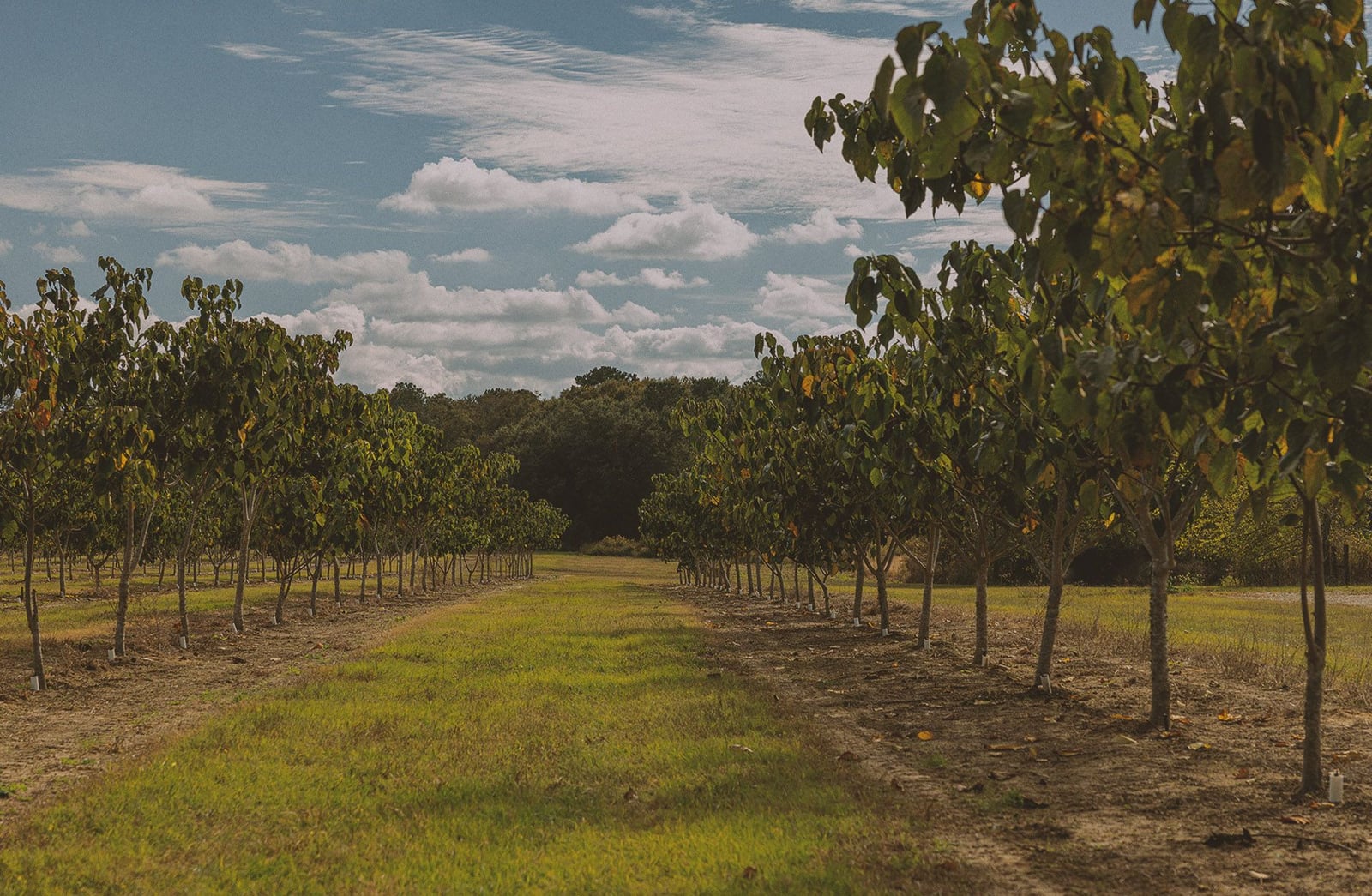
To ensure you’re selecting a genuine product, examine labels for clear indications such as “100% Pure Tung Oil” and steer clear of generic terms like “tung oil finish.” At Tallahassee Tung Oil, transparency is our priority: our pure tung oil comes straight from locally grown tung trees just north of Tallahassee, Florida, and contains no artificial additives, solvents, or VOCs. You get an all-natural tung oil, with uncompromised purity and quality. We even provide a certificate of analysis from an independent laboratory with each order as guaranteed proof.
Because of its all-natural composition, pure tung oil is renowned for its protective qualities and offers the added benefit of being food-safe when dry. Pure tung oil is certified as safe for food contact surfaces by the U.S. Food and Drug Administration (CFR 21: Sec. 175.300). Frequently recommended for wooden cutting boards, butcher blocks, and wooden bowls, pure tung oil creates a food-safe seal that’s ideal for surfaces involved in food preparation. Choosing a food-safe tung oil with no synthetic additives will provide confidence that your finished wood items are safe for daily kitchen use.
Tung oil’s ability to provide water-resistant protection is another one of its signature strengths. When correctly applied in multiple thin coats and fully cured, pure tung oil establishes a flexible seal that resists moisture remarkably well. This successful water resistance means pure tung oil is a long-lasting finish for indoor and outdoor wood projects. For those looking for proven ways to make wood water-resistant using tung oil, without synthetic chemicals, rest assured: thorough application of pure tung oil delivers a robust, water-repellent finish that stands up to the elements while highlighting the wood’s natural beauty.
Myth 2: “Tung Oil Isn't Safe for People with Nut Allergies”
While the fruit of the tung tree is commonly referred to as a nut, tung trees actually produce fruit. Tung oil is derived from the seeds of the fruit. Some people mistakenly assume it may trigger nut allergies. However, the tung tree is unrelated to common nut-producing trees like almonds, walnuts, or pecans.
Multiple allergy studies and expert reviews have confirmed that pure tung oil does not typically cause allergic reactions, even in individuals with known nut sensitivities. With that said, anyone with severe allergies should always conduct a spot test on the skin before using any new substance, just to be safe.
So yes, you can confidently use food-contact safe tung oil on your cutting boards, wooden spoons, salad bowls, and countertops.
Myth 3: “Tung Oil Dries Quickly”
A common misconception is that tung oil dries as quickly as synthetic finishes. Pure tung oil requires more time and care to achieve its full effect. It's important to distinguish between drying and curing. Tung oil is a polymerizing oil that hardens through oxidation when exposed to air. While the surface may feel dry to the touch within 24 to 48 hours, this does not indicate that the oil has fully cured.
Typically, tung oil drying time ranges from 12-24 hours, depending on environmental conditions such as temperature, humidity, and airflow. However, full curing, i.e., complete oil polymerization, can take 2 to 3 weeks.
Attempting to rush the process by applying additional coats too soon can trap moisture beneath the surface, resulting in a tacky or uneven finish. Proper technique is critical: thick applications extend the dry time and hinder absorption, while thin, well-wiped coats allow the oil to penetrate and cure more effectively. Each coat should dry for at least 12 hours before the next coat is applied.
While tung oil typically dries within 12-24 hours, complete curing takes significantly longer. The extended wait is well worth it. Once fully cured, tung oil delivers a strong, water-resistant finish that pops-the-grain.
Myth 4: “You Can Apply Tung Oil Like Any Other Finish”
Tung oil is not like conventional paint or varnish, which can be applied in thick layers and sit on top of the wood. Tung oil soaks into the pores of the wood, and as a result, applying tung oil too heavily results in a sticky mess.
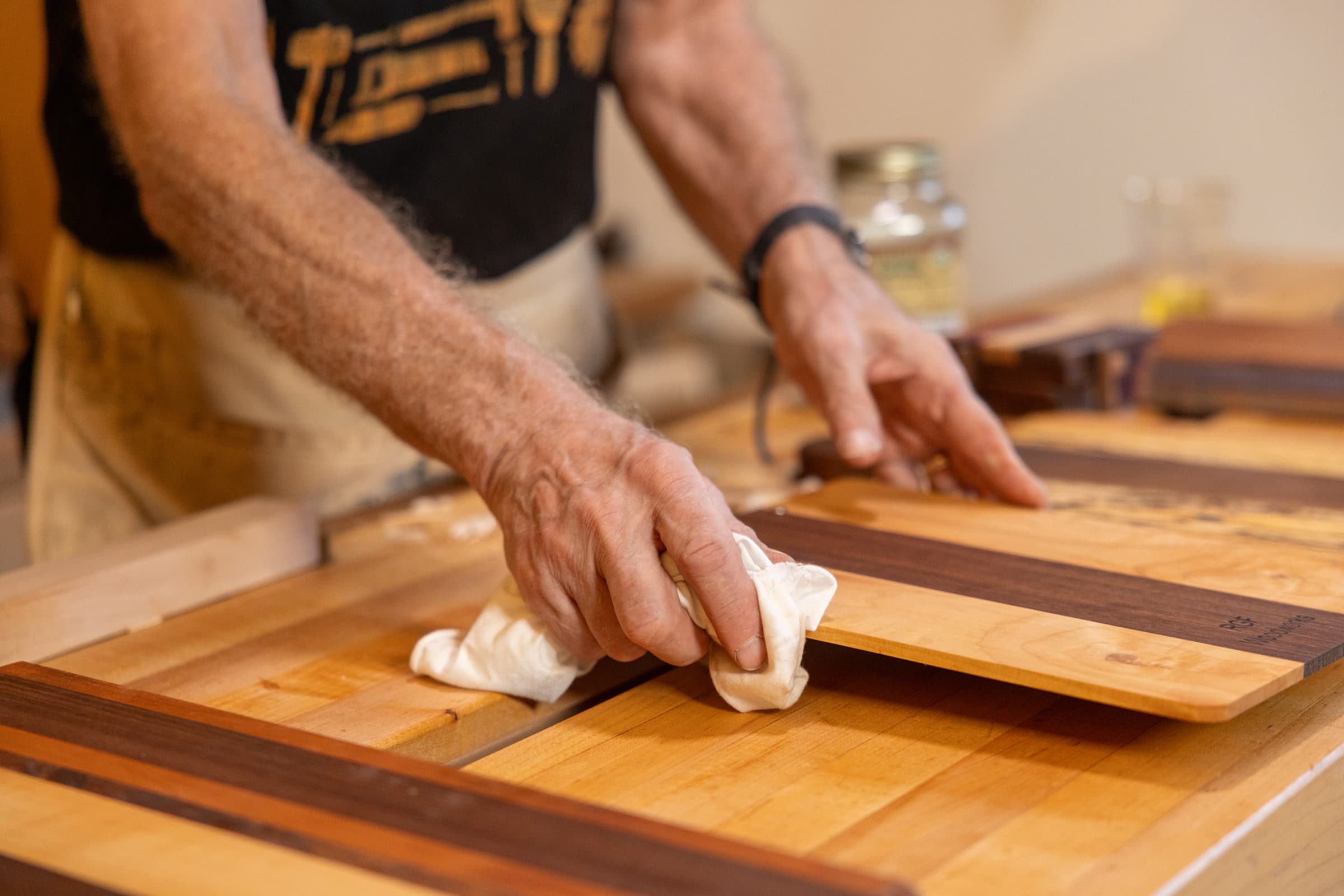
Always use thin, even coats of tung oil and rub in well for optimal drying time and best finish quality. After applying each layer, ensure it is fully absorbed before proceeding to the next, as this directly impacts how long tung oil takes to dry. Ideally, you should wait at least 12 hours between coats, though a longer period may be needed for proper drying time, especially if using multiple coats and if conditions are humid.
Avoiding over-application is essential, as too much tung oil prolongs drying and curing periods. When tung oil is applied with patience and attention to correct drying intervals, it produces a rich, flexible, and highly durable finish that's difficult to match.
Myth 5: “Tung Oil Will Darken Wood Too Much”
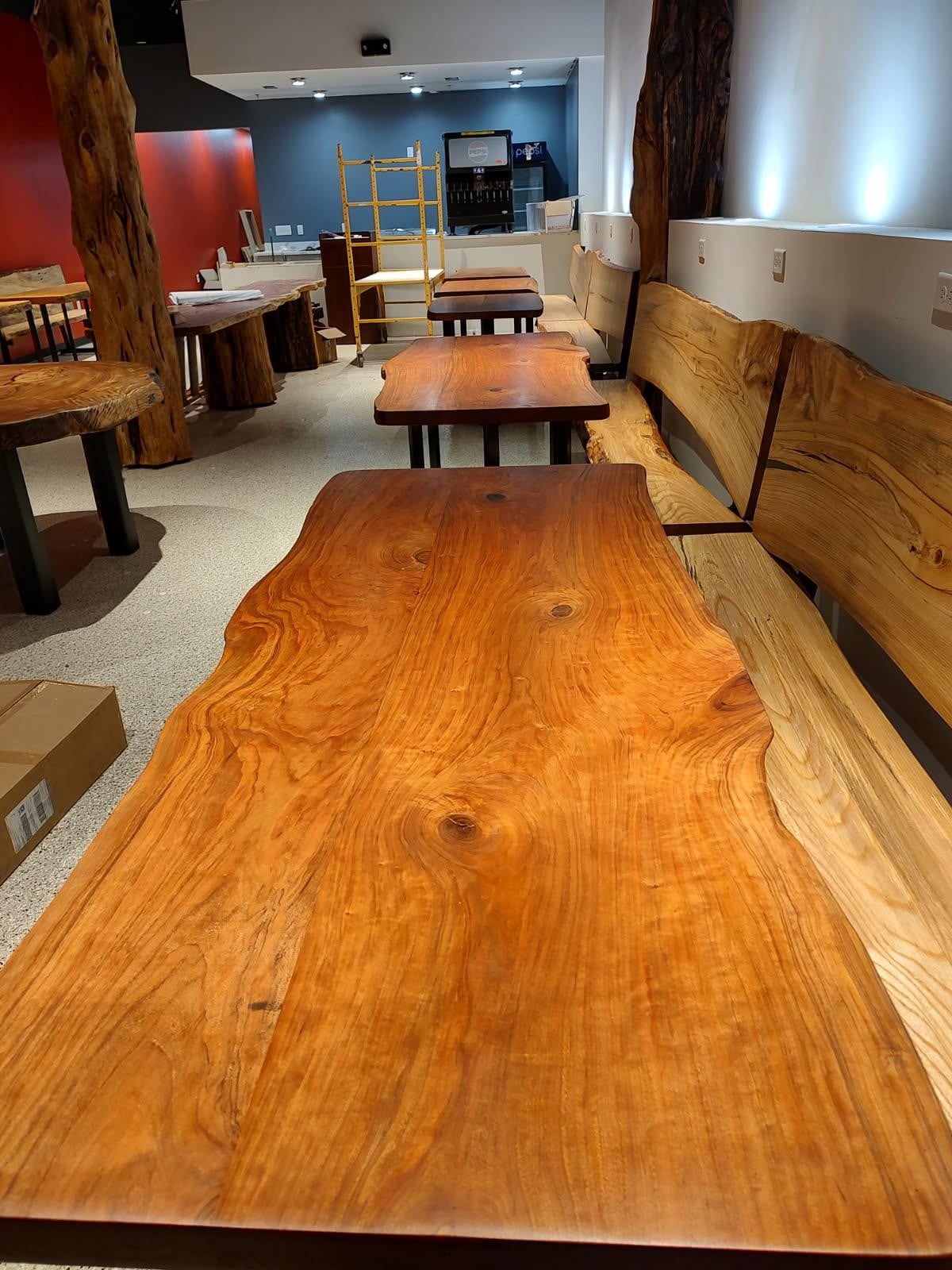
If you're worried that tung oil will drastically change the color of your project, there's good news: it won't. Unlike synthetic finishes, pure tung oil naturally enhances the wood grain and adds a warm, golden tone without overly darkening or yellowing the wood.
This enhancement is stunning on lighter woods such as maple, birch, or oak, where the grain detail stands out without becoming overly rich or orange over time. Unlike oils containing resins or dyes, pure tung oil ensures that the wood's character remains intact, preventing unwanted orange tones from developing over time. Furthermore, its aging process allows the wood to retain its authentic look and feel while providing a soft, lustrous finish that highlights the inherent qualities of the wood.
Here at Tallahassee Tung Oil, you’re guaranteed an all-natural tung oil that won’t darken like synthetic finishes or oils. Since our tung oil contains no VOCs, your projects will surely have an enhanced beauty that can withstand time.
Myth 6: “Tung Oil Works on Everything, Even Metal”
Tung oil is effective for sealing porous surfaces, with a particular affinity for wood. Thanks to its unique molecular composition, tung oil penetrates deeply into porous items, sealing and protecting the material from within as it cures and forms a durable, water-resistant barrier. Tung oil fails to bond effectively on non-porous materials like plastic or glass; it remains on the surface, leading to poor adhesion, possible peeling, and minimal waterproof protection.
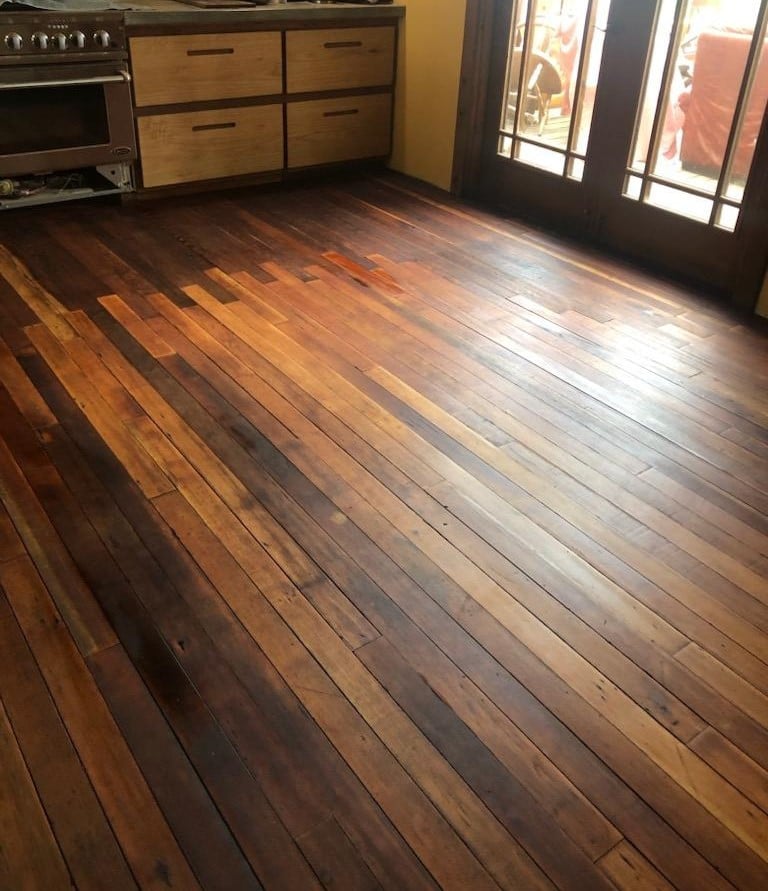
Applying this natural finish to appropriate surfaces is essential for optimal tung oil water resistance benefits. Its true strengths shine on wooden furniture, flooring, musical instruments, or home decor - anywhere deep penetration is required to achieve beauty and long-lasting water-resistant protection.
Bonus Myth: “Tung Oil Smells Terrible and Is Dangerous”
A common concern among first-time users involves the potential for an unpleasant smell and whether tung oil is flammable or presents any safety issues. These worries often arise from confusion between pure tung oil and artificial, solvent-based wood finishes.
To set the record straight, the scent of pure tung oil is pleasantly mild, usually described as nutty or earthy. Unlike synthetic finishes, the tung oil smell is not sharp or overpowering and tends to be subtle during application. As pure tung oil cures, any lingering fragrance naturally fades, particularly in well-ventilated spaces. A tung oil smell typically disappears within several days rather than lingering like odors from solvent-based products. Many misconceptions form because consumers associate the harsh chemical smells of “tung oil finishes” with pure tung oil; these commercial products often contain added solvents or metallic dryers not found in all-natural tung oil.
It’s also important to address safety, especially whether tung oil is flammable. Tung oil has an extremely high flash point, and unless exposed to fire or other high-temperature sources, combustion will not occur. This is not true, however, for rags used to apply tung oil. To avoid spontaneous combustion, tung oil-soaked rags, like all other drying oils, should never be just wadded up and thrown away. After applying tung oil, always spread used rags flat in a ventilated area to dry thoroughly or submerge them in water then allow to dry. Dispose of them according to local hazardous material regulations. Practiced responsibly, pure tung oil remains a safe and eco-friendly finish option, combining adequate wood protection and a nonintrusive scent profile with fewer safety risks than synthetic alternatives.
Trust the Process and the Product
Tung oil delivers natural protection, beauty, and long-lasting durability, especially as a food-safe tung oil finish. Despite lingering misconceptions, here are the facts:
- Pure tung oil is safe for food contact surfaces and is often chosen for its non-toxic, chemical-free properties.
- Those with tree nut allergies typically tolerate tung oil safely; however, individuals with severe sensitivities should perform a patch test on the skin before full use.
- While tung oil requires a longer curing period compared to other chemical-based finishes, this extended cure creates a resilient, protective barrier that helps keep wood durable for years.
- Tung oil works exceptionally well on wood, bringing out color and grain without overpowering or darkening. It's not suitable for other porous surfaces.
- When applied correctly, tung oil provides a natural-looking finish that pops-the-grain.
- Many users appreciate that pure tung oil does not carry a strong or unpleasant smell; its scent is mild, making the finishing process more pleasant.
Ready to create a waterproof, food-safe tung oil finish for your next wood project? Whether you’re finishing small items like cutting boards or coasters or taking on larger tasks such as furniture or wood flooring, Tallahassee Tung Oil offers a complete selection of pure and food-safe tung oil in just the right size for your needs. Experience the protective qualities, mild scent, and beauty that only premium tung oil can provide for any woodworking project.
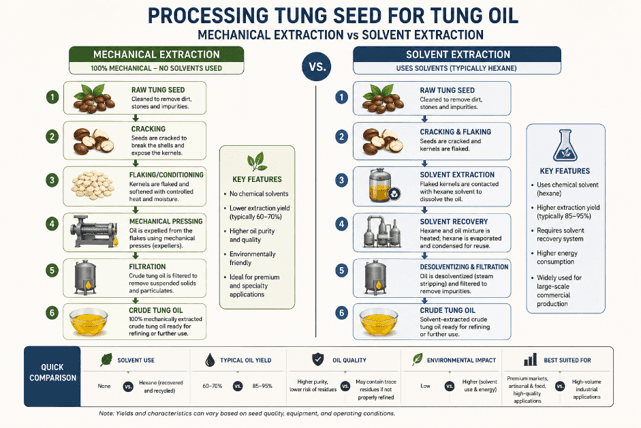
Tallahassee Tung Oil is grown, harvested and screw-pressed on our own farms along the Gulf Coast — never imported, never hexane-extracted, and dated so you know how fresh it is.